If you can

An animated reflection about
empathy and everyday human behavior

MOTION GRAPHICS - SHORT FILM - STORYTELLING - ART DIRECTION
Role
Concept & Art Direction
Animation

Sound Design
Andriy Volodarskyy

Voice
Daniel Strazzaboschi

Tools
Adobe After Effects
Adobe Premiere
Adobe Photoshop
If You Can is an independent audiovisual project that explores empathy and emotional intelligence through animation and collage techniques.

The piece is inspired by a text often attributed to Winston Churchill. I used that text as a starting point to reflect on everyday human behavior, comparing it to the simple and direct way dogs experience the world.

The project was developed as a short animated reflection. The goal was to create a piece that feels honest and accessible, while encouraging the viewer to question their own habits, expectations and judgments.

The structure is not linear. I did not build it around characters with a defined arc. Instead, I organized the narrative as a sequence of statements. Each sentence introduces a situation where human reactions are compared to the natural behavior of dogs.

I worked carefully on the order of these ideas. The reflection had to feel progressive. The audience should move from light everyday examples to deeper emotional reactions without feeling a sudden shift.

The comparison with dogs works as a reference point.

While humans often overthink, judge or hold resentment, dogs respond in a more direct and present way. This contrast creates a quiet tension that slowly builds during the video.

The conclusion appears only at the end, allowing the audience to go through the reflection step by step. The pacing, voice and sound design were planned to support this progression.


To organize the pacing and visual rhythm, I developed a storyboard that defined how each reflection would appear on screen.

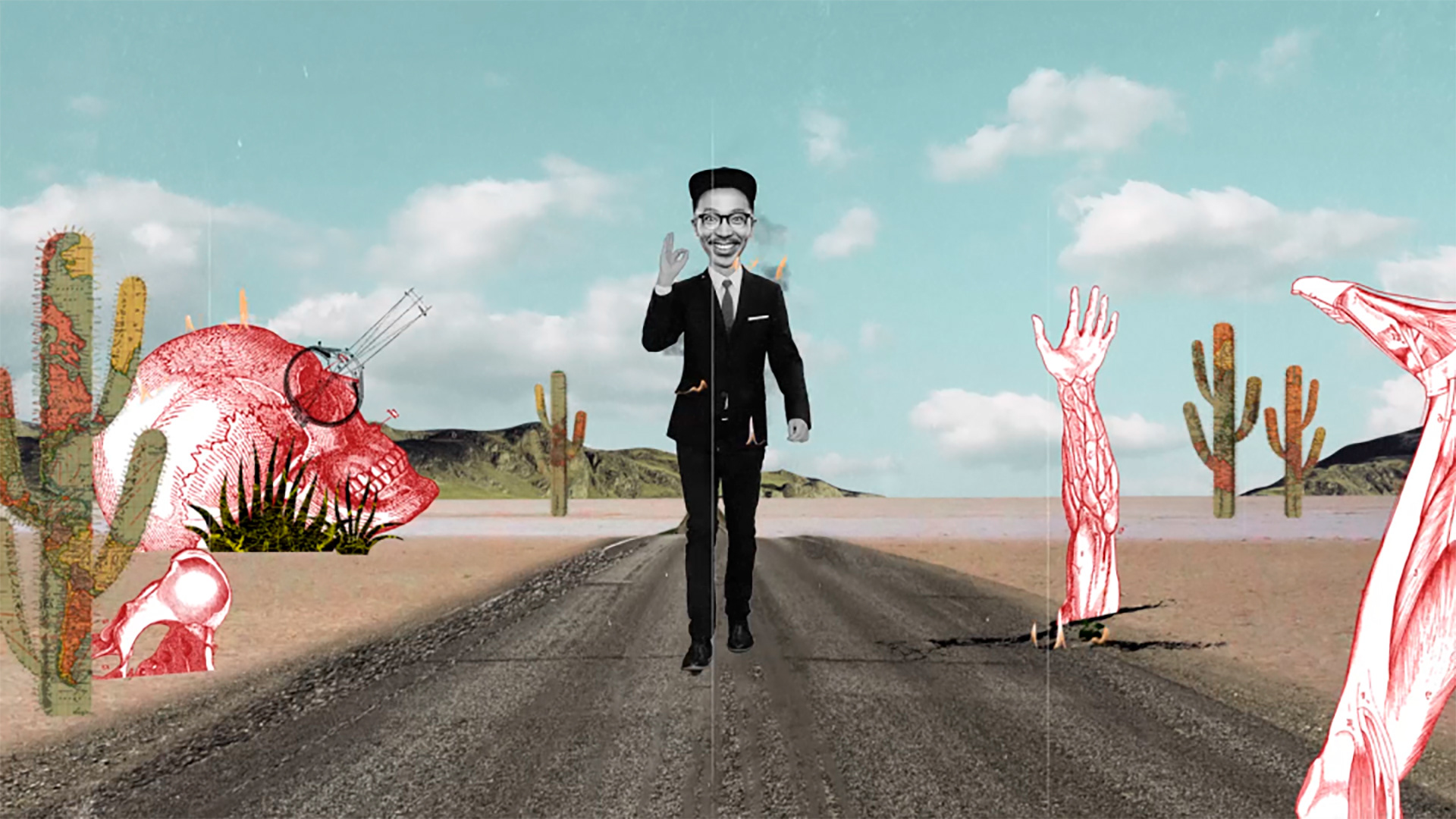
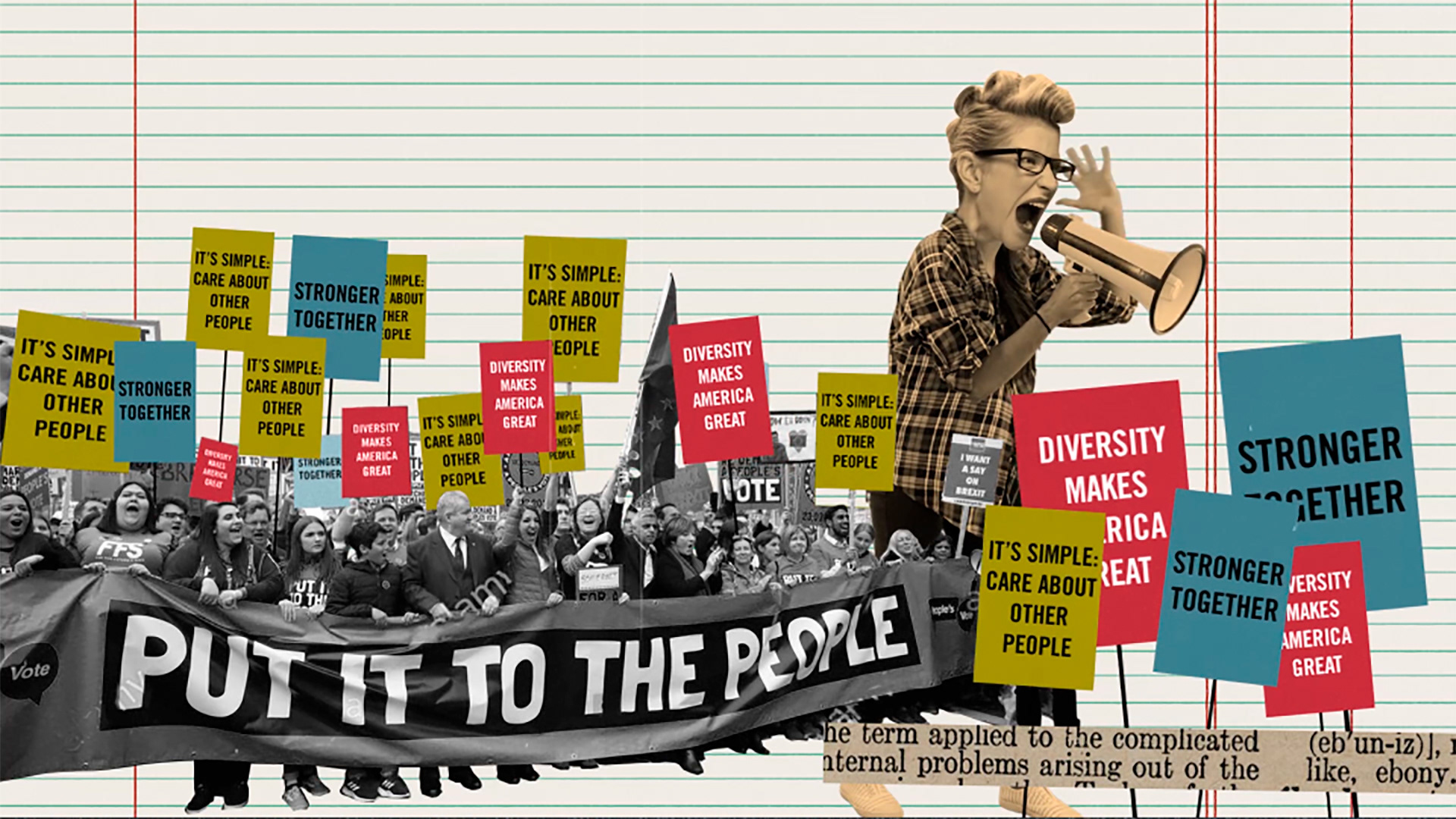
The visual direction combines 2D cut out animation and collage techniques. I chose this mixed language because the topic moves between reality and metaphor. The collage style allowed me to integrate photography, video, illustration and digital elements in a flexible way.

I did not want the visuals to feel overloaded. The scenes are built with essential elements so the focus stays on the idea being expressed at that moment.

In some scenes, the imagery is literal. In others, it becomes symbolic. This variation helps maintain visual interest while supporting the reflective tone of the narration.

Color was carefully controlled across the project. I worked with limited palettes in each scene to avoid visual noise and to maintain cohesion between different techniques.

Transitions were also important. Instead of abrupt cuts, I used smooth visual connections so the reflection feels continuous. This helps the audience stay focused on the message instead of the technique.

Every visual decision was made to support clarity and rhythm.

This project was an opportunity to explore animation as a tool for reflection. Working on this piece helped me refine how I structure ideas visually. It also allowed me to experiment with collage as a narrative system, not only as an aesthetic choice.

The strength of the project lies in how simplicity can support complex emotional ideas.